What may or may not matter. Letter names. Plenty of kids have learned to read without knowing the names of all the letters. I fyou think about it, knowing what the name of the B or the D is does not help you to read at all. It arguably gets in the way since its name is a useless fact. Of, you could argue that knowing the name makes it easier to deal with letters. Many countries such as England and France do NOT teach letter names until later in elementary school after the kids have learned to read. They, by the way, have less problems teaching kids to read that the Good Old USA!
What does matter. Phonological skills. The kids who do not learn to discriminate between p and b, or m and n, and so on, have a very difficult time with both verbal and reading skills. From early on, parents should play games and find software that helps kids build these skills. Examples:
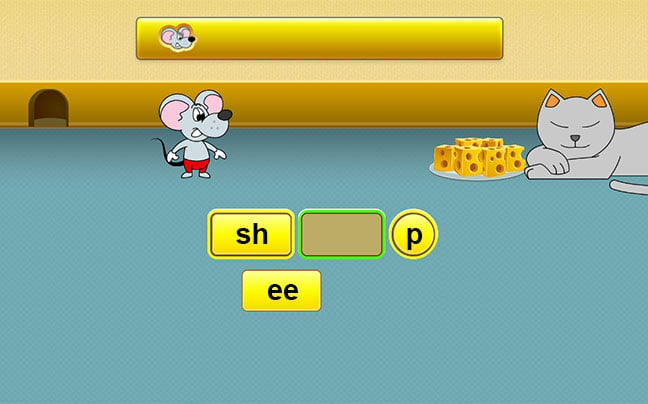
Sound It Out - A great Phonological Skill Building game. Her'es a detailed description of how these phonological prereading skills are developed by it. And here's a link to a collection of prereading phonics-skill building games.
Why are these phonological skills important?
Building early literacy skills begins with phonological awareness, the key element in learning phonics. Once they can begin to understand phonics, the system of sound and letter correspondence, beginning readers can accurately decode words and writers can spell them. Word recognition also includes the automaticity of word meaning. Developing good spelling and vocabulary skills is essential for effective written communication as well. Vocabulary development also promotes fluency by building background knowledge and concepts necessary for reading comprehension. Developing these skills over time achieves the ultimate goal of reading and writing fluency.
For English Language Learners, Sound It Out is exceptionally useful. As background, we all know that one of the challenges for ELL students is mastering the phonological skills of distinguishing the sounds (both for hearing and for speaking) that exist in English but not in their original languages. For instance, native Spanish speakers need to learn to distinguish the English /v/ from the /b/ sound. Other English sounds that are difficult for native Spanish speakers include the /l/ sound, the short /i/, and the /ch/ sound. But with Sound It Out, these tough sounds can be listened to and practiced, sound by sound, giving them the power to pursue proficiency.

